What Is Sciatica?
Just when it starts improving, it comes back.
You get through a few decent days, maybe even a good week, and then something small seems to trigger it again. A long drive. Sitting at work. Carrying groceries awkwardly. A gym session that felt fine at the time.
Then the familiar pain returns.
For some people, it is a sharp pain shooting down the leg. For others, it feels like burning, tingling, numbness, or a dull ache that never quite settles.
Recurring sciatica can be frustrating because it feels unpredictable. One day, things seem manageable. The next, simple things like sitting comfortably, sleeping properly, or getting through work become harder than they should be.
It can also start affecting more than just your body. Missed gym sessions. Skipped weekends away. Worrying every time you bend down to pick something up. The mental load of recurring pain is often heavier than people admit.
Across Casula, Liverpool, Prestons and surrounding suburbs, we often see people who have spent months trying to manage recurring pain on their own before getting clarity on what may actually be causing it.
The good news is this.
Sciatica coming back does not always mean something serious is wrong. It often means the underlying issue has not been fully addressed yet.
Sciatica Is Not Always Just “Back Pain”
Despite how people often describe it, sciatica is not simply lower back pain.
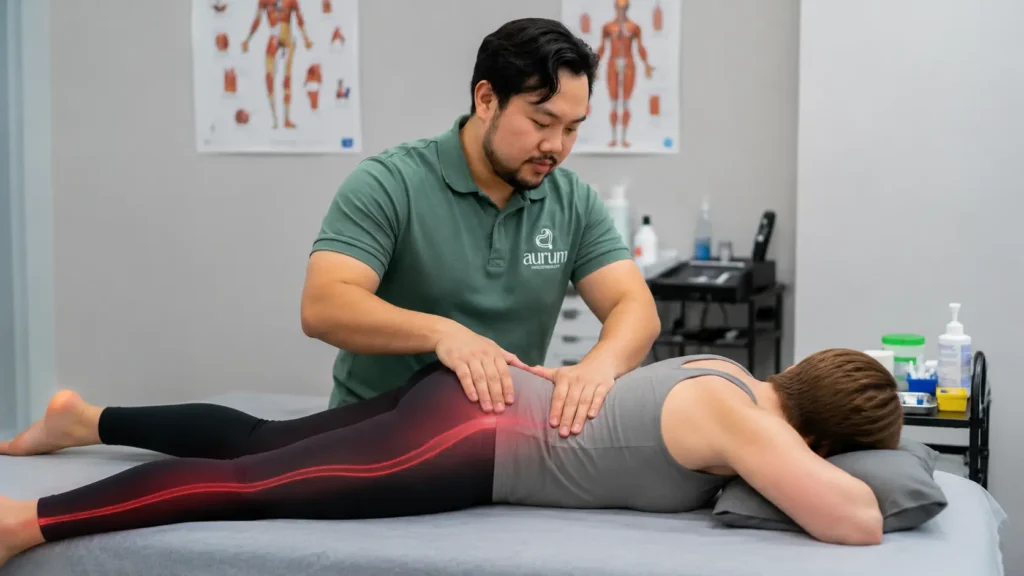
Sciatica refers to irritation affecting the sciatic nerve, which runs from the lower back through the hips, buttocks, and down the leg. That is why symptoms are often felt beyond the back itself.
You might notice:
- pain travelling down the leg
- tingling or numbness
- weakness in one leg
- burning pain through the buttock or thigh
- discomfort that worsens when sitting
But here is where people get confused. Not every pain that travels down the leg is true sciatica.
Sometimes symptoms may be linked to lower back pain, joint stiffness, muscle referral, disc irritation, or reduced movement around the lumbar spine. Two people with very similar symptoms may need very different treatment approaches.
That is one reason recurring pain can become so frustrating. You may be treating the symptoms without really understanding the cause.
Sciatica often settles temporarily. The harder question is why it keeps returning.
When Sciatica Becomes a Medical Emergency
Before going further, this part matters.
Most cases of sciatica are not dangerous, even when painful. However, in rare situations, nerve compression in the lower spine can lead to a serious condition called cauda equina syndrome, which requires urgent medical attention.
Seek emergency care immediately if you notice:
- loss of bladder or bowel control
- numbness around the groin, buttocks, or inner thighs (often called saddle numbness)
- sudden severe weakness in both legs
- progressive loss of sensation in the legs
- sexual dysfunction appearing alongside back pain
These symptoms are uncommon, but they should never be ignored or waited out.
For everyone else, recurring sciatica is usually frustrating rather than dangerous, and there is plenty that can be done about it.
Sciatica Is More Common Than People Think
Sciatic-type leg pain is one of the more common reasons people seek help for back-related issues. Research published in the BMJ suggests the lifetime prevalence of sciatica may range from around 13% to 40%, depending on how it is defined and measured.
Yet many people wait far longer than they need to before getting help.
Often, the pattern looks something like this:
The pain settles slightly. Life gets busy again. You return to normal activity. Then something small aggravates it and the cycle starts all over again.
The problem is not always the flare-up itself. Sometimes it is what keeps triggering the flare-up.
Learn more about sciatica therapy in Casula and how treatment may help reduce nerve pain and prevent flare-ups.
Why Does Sciatica Keep Coming Back?
There is rarely one single reason. In many cases, recurring sciatica happens because the body has improved enough for pain to settle, but not enough to prevent symptoms returning.
Sitting for Long Periods
This is a big one. Long hours at a desk, commuting, or even spending too much time resting on the couch can sometimes aggravate symptoms.
We often hear people say:
“I feel okay walking around, but sitting makes it worse.”
That makes sense. Sitting for extended periods can increase pressure through sensitive areas in the lower back and around irritated nerves.
Going Back to Normal Too Quickly
Feeling better and being fully recovered are not always the same thing.
A common pattern we see is someone resting until symptoms settle, then returning straight back into gardening, lifting, gym sessions, long drives, or busy weekends.
The body simply may not be ready yet.
Weakness or Reduced Movement
Sometimes the muscles supporting the hips, lower back, and core are not working as well as they should.
This does not mean someone is weak or unfit. Often, pain changes how the body moves. Over time, compensation patterns develop and certain areas become overloaded.
Fear of Movement After a Flare-Up
This one is rarely talked about, but it matters.
After a few painful episodes, it is natural to start moving more cautiously. Avoiding bending. Bracing before lifting. Holding tension through the back without realising.
Over time, this protective pattern can actually contribute to ongoing symptoms.
Treating the Pain, Not the Cause
Stretching videos, massage guns, pain medication, or temporary rest may help settle symptoms for a short time.
But recurring sciatica often improves more when treatment focuses on why the nerve keeps becoming irritated in the first place.
Common Sciatica Triggers People Often Overlook
Sometimes the trigger is not obvious.
A few common things that may aggravate sciatica include:
- long drives or commuting around Sydney
- working at a desk all day
- poor lifting technique
- returning to exercise too quickly
- heavy gardening or housework
- long periods of inactivity
- previous back injuries
- pregnancy-related pressure and movement changes
- poor sleep posture or an unsupportive mattress
For many people, it is not one major event.
It is the smaller, repeated things building up over time.
Tired of sciatica coming back? Book an assessment at Aurum Physiotherapy in Casula and get a clearer plan for lasting relief.
What May Actually Help Sciatica?
People understandably want a quick fix. One stretch. One exercise. One thing that finally makes the pain disappear. Unfortunately, sciatica is rarely that simple.
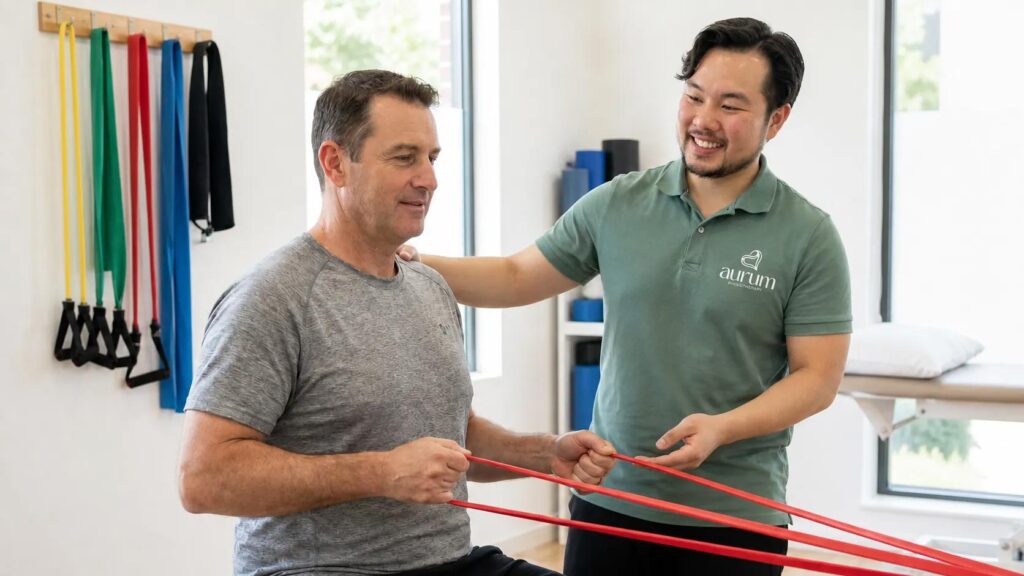
Current clinical guidelines, including those informed by the Australian Physiotherapy Association and international best practice, generally recommend a combination of education, gradual movement, and targeted exercise rather than prolonged rest or passive treatment alone.
Depending on the person, treatment may include:
- improving movement patterns
- reducing nerve irritation
- gradual strengthening work
- gentle mobility exercises
- improving confidence with movement
- advice around sitting, lifting, sleeping, and flare-ups
For some people, improvement happens quickly.
For others, especially if symptoms have been coming and going for months, recovery can take more patience.
The aim is not simply to calm pain temporarily. The goal is to reduce the chance of it returning.
This is where tailored physiotherapy in Casula can make a difference. Treatment should fit the person, not just the diagnosis.
When Should You Stop Waiting It Out?
Not every flare-up means you need treatment.
But recurring pain is usually worth paying attention to.
If symptoms are affecting work, sleep, exercise, or confidence with movement, getting clarity earlier often makes things easier.
It may be worth seeking help if you notice:
- pain travelling below the knee
- worsening numbness or tingling
- repeated flare-ups
- discomfort affecting sleep
- leg weakness
- symptoms interfering with normal life
You do not need to wait until things become severe.
Many people seek help simply because they are tired of guessing.
Sciatica Treatment in Casula
If sciatica keeps returning, the next step is understanding why.
At Aurum Physiotherapy in Casula, treatment focuses on understanding what may be driving your symptoms, not simply calming the pain for a few days. Our approach combines hands-on assessment, evidence-informed care, and a clear plan tailored to the person in front of us.
Whether symptoms started recently or have been coming and going for months, a tailored assessment may help identify contributing factors and what is likely to support recovery.
We regularly help people across Casula, Liverpool, Glenfield, Prestons, Edmondson Park and surrounding areas manage recurring nerve pain, improve movement, and feel more confident getting back to normal life.
Learn more about sciatica therapy in Casula and how treatment may help reduce flare-ups and improve movement over time.
Book an appointment if you are tired of the same pain returning and want a clearer plan forward.
Key Takeaway
Recurring sciatica often means the underlying issue has not fully settled. Temporary relief may help for a while, but lasting improvement usually comes from understanding what is contributing to symptoms and addressing movement, strength, and recovery properly. If you notice red flag symptoms such as bladder changes or saddle numbness, seek urgent medical care.
Frequently Asked Questions
Why does my sciatica keep coming back?
Can physiotherapy help recurring sciatica?
In many cases, yes. Physiotherapy for sciatica may help identify contributing factors, improve movement, reduce irritation around the nerve, and support strength to reduce future flare-ups.