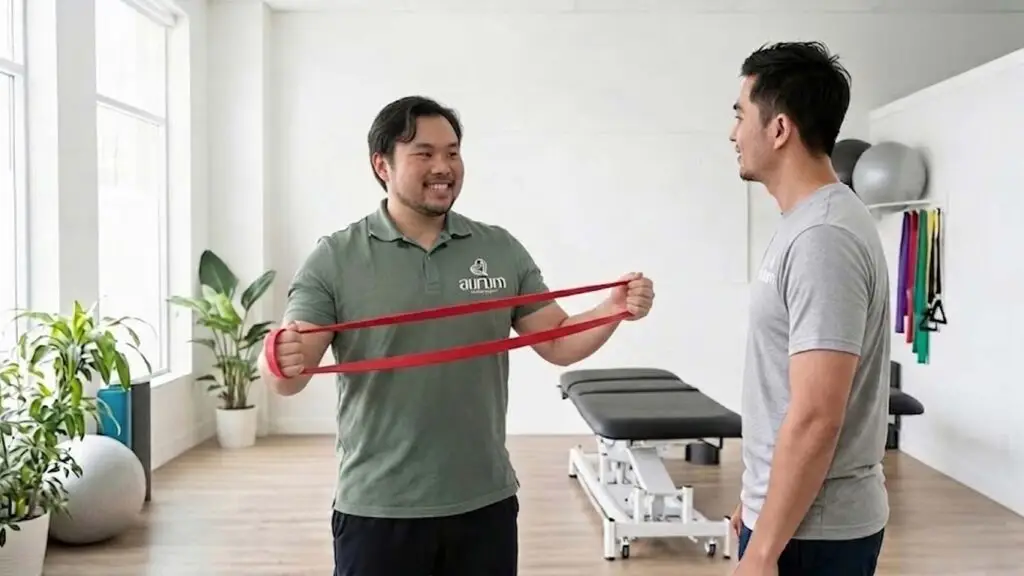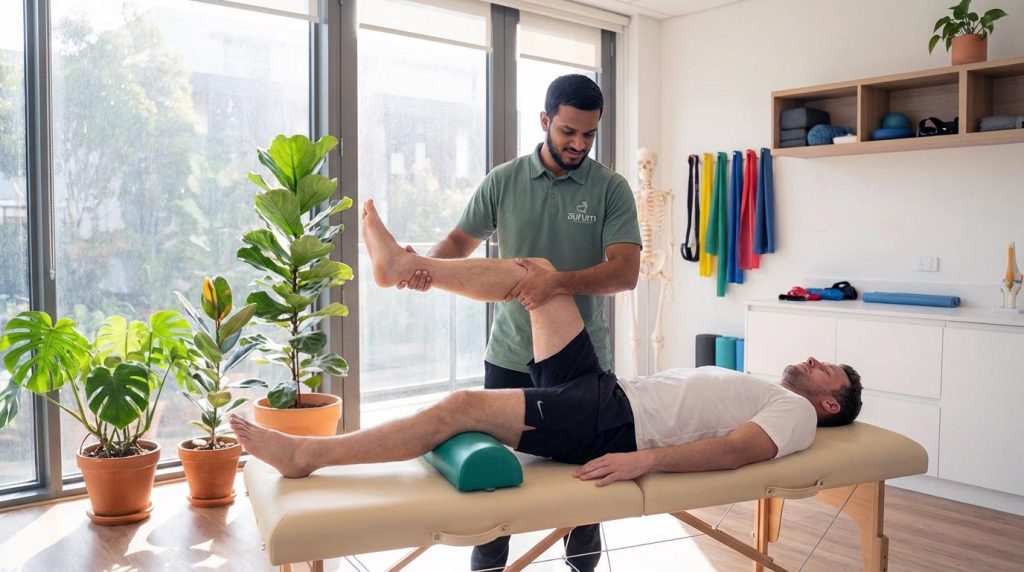
What Is Joint Mobilisation?
Joint mobilisation is a hands-on physiotherapy technique used to improve movement in stiff or painful joints. It involves gentle, controlled movements applied to a joint within its normal range.
The aim is to help joints move more freely and comfortably.
Joint mobilisation is not forceful manipulation. It is precise, graded, and adjusted to your comfort level.
Why Joints Become Stiff
Joints can lose movement for many reasons, including:
- Injury or surgery
- Arthritis or age-related changes
- Prolonged sitting or poor posture
- Muscle guarding due to pain
When joints stop moving well, muscles around them often tighten,
which can worsen pain and limit daily activities.
How Joint Mobilisation Helps
Joint mobilisation works by:
- Improving joint glide and flexibility
- Reducing pain signals from the joint
- Supporting better posture and movement
- Making exercise easier and more effective
It is often used alongside exercise, strength work, and education.
Conditions That May Benefit
Joint mobilisation can be helpful for:
- Neck and back stiffness
- Shoulder pain and restricted movement
- Hip and knee stiffness
- Ankle mobility issues after sprains
- Post-surgical joint restriction
Your physiotherapist will assess the joint and choose the right technique for your needs.
What Treatment Looks Like
Assessment
Your physio will check:
- Joint range of motion
- Pain patterns
- Strength and control
- How movement affects your symptoms
Treatment
- Gentle, rhythmic joint movements
- Pressure adjusted to comfort
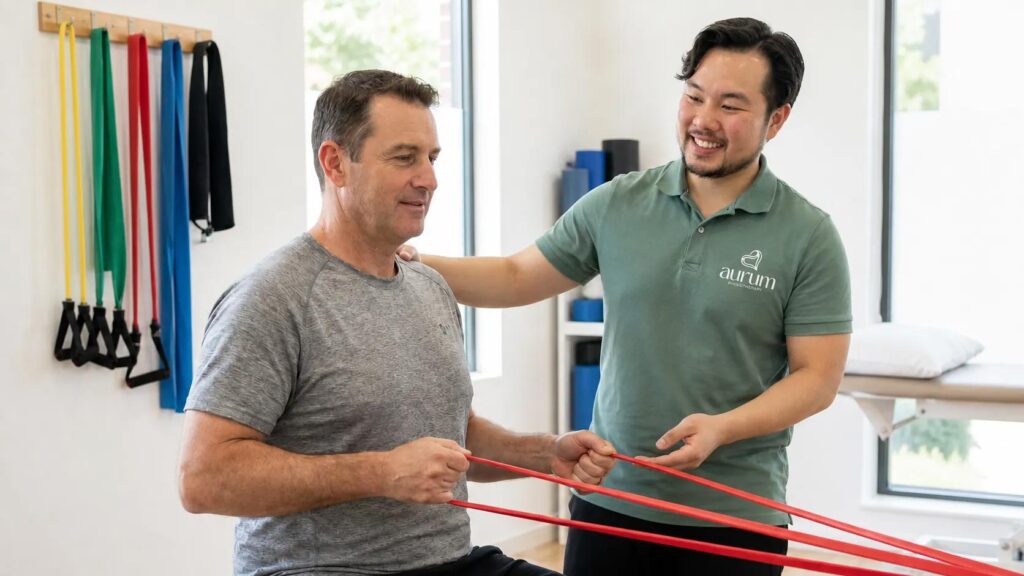
- Often combined with active movement
After Treatment
- Movement usually feels easier
- Mild soreness can occur but should settle quickly
- Exercises are often prescribed to maintain progress
Is Joint Mobilisation Safe
Yes.
When performed by a qualified physiotherapist, joint mobilisation is safe and evidence-based.
Techniques are always tailored to the individual.
Read on to learn how hydrotherapy physiotherapy supports movement in warm water.
Conditions That May Benefit
Joint mobilisation can be helpful for:
- Neck and back stiffness
- Shoulder pain and restricted movement
- Hip and knee stiffness
- Ankle mobility issues after sprains
- Post-surgical joint restriction
Your physiotherapist will assess the joint and choose the right technique for your needs.
What Treatment Looks Like
Assessment
Your physio will check:
- Joint range of motion
- Pain patterns
- Strength and control
- How movement affects your symptoms
Treatment
- Gentle, rhythmic joint movements
- Pressure adjusted to comfort
- Often combined with active movement
After Treatment
- Movement usually feels easier
- Mild soreness can occur but should settle quickly
- Exercises are often prescribed to maintain progress
Is Joint Mobilisation Safe
Yes. When performed by a qualified physiotherapist, joint mobilisation is safe and evidence-based. Techniques are always tailored to the individual.