What Is Trigger Point Therapy?
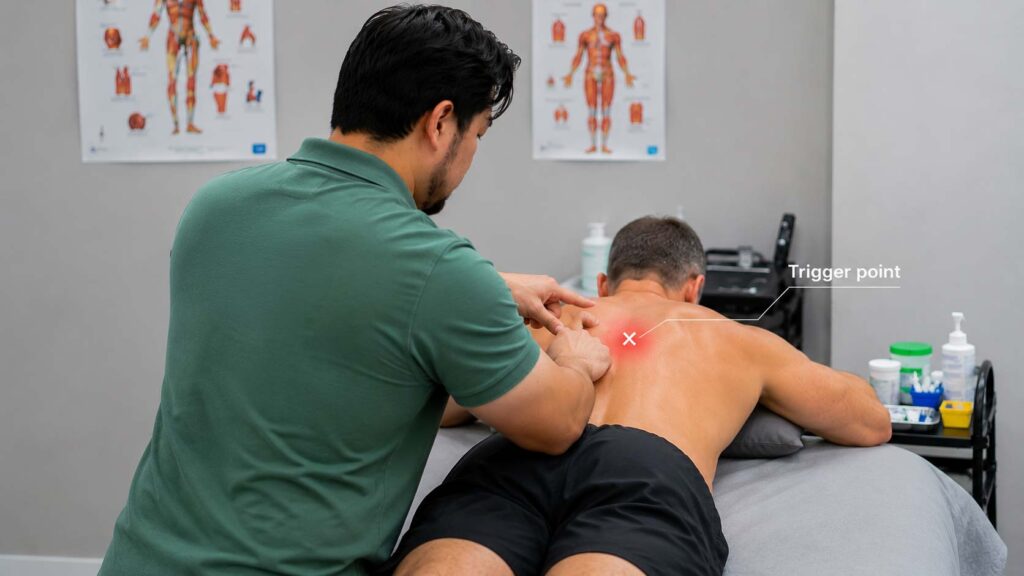
Trigger point therapy is a remedial massage technique that targets tight, sensitive muscle "knots" known as trigger points. These knots can cause referred pain, meaning discomfort may be felt in a different area of the body, such as headaches caused by neck or shoulder tension. Unlike relaxation massage, trigger point therapy focuses on releasing "stuck" contracted muscle fibres to reduce pain, improve movement and restore function.
If you're dealing with stubborn muscle knots that won't budge, keep coming back, or refer pain into your arms and legs, trigger point therapy in Casula can provide you with the pain relief and improved movement that you need to get back to normal life.
Muscle knots are extremely common. Most people don't know how to stop them from recurring.
Muscle knots are more common than you think. Research studies show that up to 85% of the population will experience muscle knots, or myofascial trigger points, at some point in their lives.
Across Casula, Liverpool, Prestons, Lurnea and surrounding suburbs, often people who have dealt with the recurring pain of muscle knots don't know how to get improvement or relief.
It is important to find a remedial massage therapist who is qualified to perform trigger point therapy. The good news is, at Aurum Physiotherapy, the remedial massage therapist is qualified to perform a hands-on assessment and muscle knot treatment plan to get you feeling better.
Book an appointment today online or call us on 0402 832 329.
Common Types of Trigger Points
- Active Trigger Points. Active trigger points are painful even when you are resting. They can cause ongoing discomfort, muscle weakness and referred pain patterns.
- Passive or Latent Trigger Points. Latent trigger points are not usually painful unless pressure is applied. They may still restrict movement, reduce flexibility and contribute to muscle stiffness or weakness.
- Satellite Trigger Points. Satellite trigger points develop in muscles that compensate for another active trigger point nearby. They often form due to referred pain or altered movement patterns caused by the primary trigger point.
Movement is a medicine for creating change in a person's physical, emotional, and mental states.– Carol Welch
What Causes Trigger Points?
Trigger points don't just appear out of nowhere; they are usually the result of muscle "stress." Common causes include:
Poor Posture
This is very common. Long hours at a desk, driving or even using devices for too long (tech-neck) can place ongoing stress on muscles. Sitting for extended periods with poor posture can increase stress and pressure on your muscles and sensitive areas.
Muscle Overuse
Repetitive movements, heavy lifting or intense exercise may overload muscle fibres. This does not mean the muscles are weak. Often muscle overuse can lead to strain, and pain due to certain areas becoming overloaded.
Stress and Tension
This is not talked about often, but is important. Emotional stress can often lead to tightened muscles, particularly in the neck, shoulders and jaw. Over time, this can contribute to trigger point formation and discomfort.
Injury or Trauma
Sports injuries, falls or accidents can create muscle guarding and persistent tightness. This can happen unexpectedly and cause sensitivity or strain in certain areas.
Lack of Movement
Sedentary lifestyles and reduced activity can contribute to muscular dysfunction and trigger point formation.
Learn more about trigger point therapy in Casula and how treatment may help reduce pain and improve movement.
Make BookingHow Trigger Point Therapy in Casula Helps Reduce Pain and Improve Movement
At Aurum Physiotherapy in Casula, trigger point therapy focuses on applying sustained pressure directly to tight muscle bands and trigger points. This pressure temporarily restricts blood flow to the areas, then when the pressure is released, fresh oxygenated blood enters the tissue.
Benefits include breaking the cycle of chronic pain, increasing flexibility and joint mobility, reducing referred pain, and improving circulation to damaged tissues. At Aurum Physiotherapy, we regularly help people across Casula, Liverpool, Prestons, Lurnea, Edmondson Park, Glenfield and surrounding areas. Many people notice improved movement and reduced discomfort after treatment. Some chronic conditions may require multiple sessions for longer-lasting relief.
Pain rarely lives where it starts. The knot in your shoulder might be the reason your headache won't quit.– Aurum
What to Expect During Remedial Massage Treatment in Casula
During your appointment, your remedial massage therapist will begin with an assessment of your symptoms, posture, movement and areas of discomfort. Treatment generally includes:
- Locating trigger points within affected muscles
- Applying sustained pressure to release tension
- Massage techniques to improve circulation, including deep tissue massage where appropriate
- Stretching or movement recommendations where appropriate
You may feel some discomfort or tenderness when pressure is applied to active trigger points, but treatment should remain manageable or controlled. Your remedial massage therapist in Casula will adjust the pressure based on your tolerance to ensure the treatment remains safe and effective.
Is Trigger Point Therapy Safe? What to Know Before Your First Session
Trigger point therapy in Casula is generally safe when performed by a qualified remedial massage therapist. Some conditions may require caution, including acute injuries, severe osteoporosis, blood clotting disorders or pregnancy. Treatment is tailored to your comfort level, health history and individual needs.
Frequently Asked Questions
Does Trigger Point Therapy Hurt?
It can feel intense at times, often described as "satisfying" or "good pain". Temporary soreness or fatigue after treatment is common and usually short-lived. Drinking water, gentle stretching and rest may help reduce post-treatment soreness.
How Many Sessions Will I Need?
The number of sessions varies depending on the severity and duration of your symptoms. Some clients feel improvement after one session, while chronic issues may require ongoing treatment and maintenance sessions.
Can I Do Trigger Point Therapy at Home?
Some self-care techniques may help manage mild trigger points at home, including foam rolling, massage balls, gentle stretching, heat therapy and improving posture and movement habits. However, professional treatment is often recommended for persistent pain, complex muscular issues or trigger points causing referred pain patterns.
Why Choose Trigger Point Therapy at Aurum Physiotherapy in Casula
Trigger point therapy targets muscle tightness and sensitive muscle knots, which can be caused by ongoing stress, tension or overloading of muscles. Trigger point therapy and remedial massage therapy improves circulation, aids in recovery and helps to reduce pain. Our remedial massage therapist at Aurum Physiotherapy will conduct a hands-on assessment to identify your knots, reduce your pain, and improve movement so you can feel more confident getting back to normal life.
If you are tired of feeling pain and muscle tension and want improved movement and relief, book an appointment below. You can also contact us with any questions before booking.
Ready to release those knots? Book your trigger point therapy in Casula session today and start feeling and moving better.
Make Booking